
Dental implants have earned a reputation as one of the most reliable options for replacing missing teeth. They can restore your ability to chew, support your bite, and look remarkably natural. But if dental implants are so effective, could you simply have healthy teeth removed and replace them with implants instead?
The short answer is that you generally shouldn’t. While dental implants can be an excellent solution when a tooth cannot be saved, your natural teeth are still the best option whenever they are healthy and functional. Removing a healthy tooth just to replace it with an implant involves an irreversible procedure that introduces risks that wouldn’t otherwise exist.
Why Are Natural Teeth Better?
Your natural teeth are uniquely suited to your mouth. They have living tissues, nerves, blood vessels, and supporting structures that work together to help you bite, chew, and sense pressure.
Even the most advanced dental implant cannot completely replicate everything a natural tooth does. Implants are designed to replace the visible tooth and its root-like function, but they are still artificial restorations.
That’s why preserving a healthy natural tooth is generally the priority whenever possible. If a tooth is healthy, there is usually no dental benefit to removing it simply because an implant is available.
Dental Implants Are for Replacing Missing Teeth
Dental implants are most commonly used when a tooth has already been lost or cannot be predictably restored. For example, severe decay, significant trauma, advanced infection, or certain structural problems may leave a tooth beyond the point where saving it is practical.
In these situations, removing the problematic tooth and replacing it with an implant may help restore your smile and oral function.
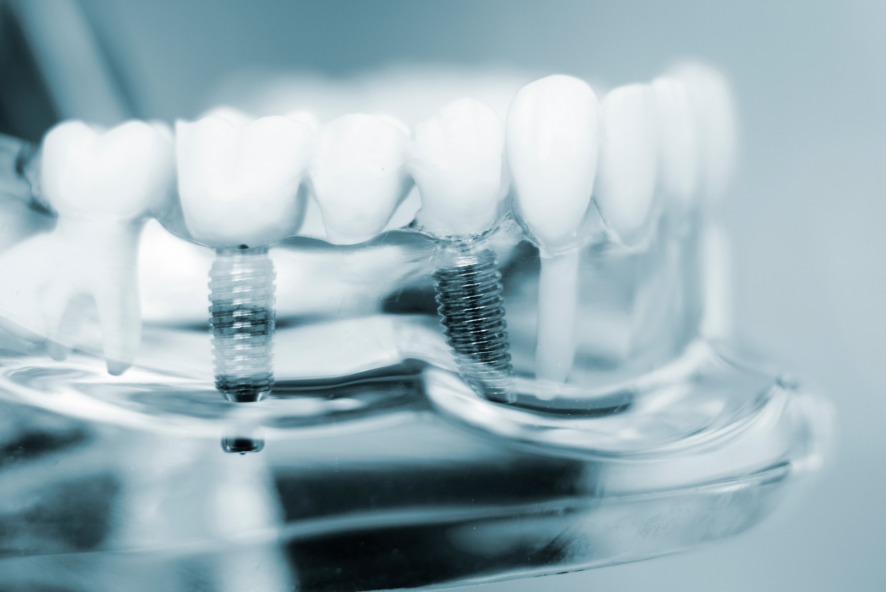
An implant involves placing a titanium or other biocompatible post into the jawbone, where it can serve as an artificial tooth root. After the area heals, a dental restoration such as a crown can be attached to complete the replacement.
What Happens If You Remove a Healthy Tooth?
Removing a healthy tooth is permanent. Once the tooth is extracted, you cannot simply put it back if you later decide that an implant wasn’t the right choice.
Extraction also involves the normal risks associated with oral surgery, such as infection, discomfort, bleeding, or complications during healing. Depending on the circumstances, losing a natural tooth can also contribute to changes in the surrounding bone and neighboring teeth.
Dental implants have their own potential complications, too, including problems with healing, infection around the implant, or failure of the implant to properly integrate with the jawbone.
When Should a Tooth Be Replaced?
The goal of restorative dentistry is usually to preserve your natural teeth for as long as they can remain healthy, functional, and predictable. Sometimes, however, saving a tooth may not be the best option. Your dentist may recommend extraction when a tooth is severely damaged, cannot be adequately restored, or has a poor long-term prognosis.
If you’re wondering whether an implant is appropriate, ask about all your options. In some cases, treatments such as a filling, crown, or root canal may allow you to keep your natural tooth.
When it comes to your smile, preserving a healthy natural tooth is usually worth protecting.
About the Practice
St. Albans Dentistry provides comprehensive dental care focused on helping patients maintain healthy, functional smiles. The practice offers dental implants and other restorative and cosmetic services, giving patients options for replacing teeth when necessary while supporting their overall oral health. Their dental team can evaluate individual circumstances and help patients understand whether preserving a natural tooth or pursuing tooth replacement is the most appropriate choice.
Call us at (802) 524-4844 or schedule your appointment online.