
Gum Disease Treatment – St. Albans, VT
Protecting Your Smile’s Foundation
While cavities are certainly a big concern, gum disease is actually one of the most common oral health problems in the world. That’s why it’s so important to take care of your teeth and your gums! Furthermore, if you start to experience common warning signs, like bleeding when you floss, you should contact our dental office in St. Albans right away. The sooner you do, the sooner we can determine if you’d benefit from gum disease treatment.
Why Choose St. Albans Dental for Gum Disease Treatment?
- Appointments Always Start on Time
- Scaling & Root Planing Treats Infection at the Source
- Friendly Atmosphere Where It’s Easy to Relax
What is Gum Disease?
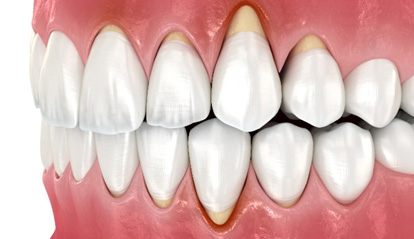
In short, gum disease is a bacterial infection that forms on the roots of the teeth and gum tissue. Over time, it can actually break them down and lead to tooth loss. That’s why it’s so important to implement healthy habits into your routine (i.e., brushing for two full minutes, flossing daily, scheduling a dental cleaning twice a year) and keep an eye out for common warning signs of trouble.
Symptoms of Gum Disease
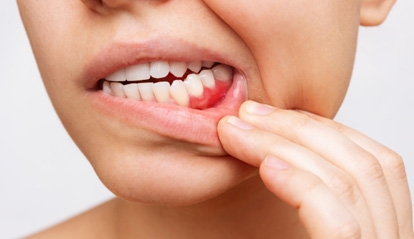
Early symptoms of gum disease include red, swollen, and tender gums that bleed often. If any of these sound familiar, be sure to come see us right away so our team can use proven therapies to quickly stop the infection in its tracks. This is important because, if the infection is left alone to progress, it can lead to more serious issues, including tooth loss.
How Do We Treat Gum Disease?

We actually offer two types of gum disease treatment in St. Albans City: scaling and root planing, as well as antibiotic treatment. Below, you will find a little more information on each. However, you shouldn’t hesitate to give us a call if you have any questions or are ready to schedule an appointment.
Scaling & Root Planing
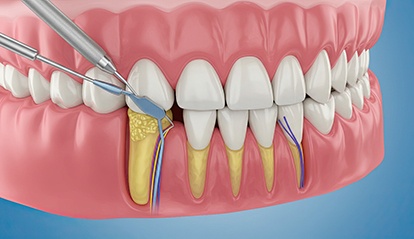
Dangerous dental plaque can build up above and below the gumline, causing the teeth to appear discolored and the gingival pockets to deepen. When this occurs, oral bacteria can easily infiltrate the gums, granting them access to the sensitive roots of the teeth. Scaling and root planing is a dental procedure that clears away these harmful deposits of plaque and bacteria from the teeth, allowing the gums to securely reattach to the roots so they can protect them from infection and prevent tooth loss.
Do I Need Scaling & Root Planing?

Although the earliest stage of gum disease, gingivitis, can often be reversible with improved oral hygiene practices, if the condition has advanced to a later stage, you may require a more in-depth treatment.
There are many warning signs that your smile could be affected by periodontal disease. If you are experiencing symptoms like bleeding when you brush or floss your teeth, receding gums, persistent bad breath, swollen or puffy gums, or noticeable discoloration from plaque buildup, your dentist may recommend scaling and root planing.
The Process of Scaling & Root Planing
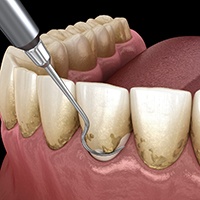
In most cases, scaling and root planing treatments can be performed over two visits to your dentist.
- Scaling – During your first appointment, your dentist will use a device called a scaler to remove all the hardened plaque and tartar from the surfaces of your teeth, reaching all the way down to the gingival pockets.
- Root Planing - At your second visit, your dentist will clear away the hardened bacterial deposits that have accumulated on the roots of your teeth below the gumline. This step is designed to prevent further infection by stopping harmful oral bacteria from repopulating in the periodontal tissue.
Aftercare Tips for Scaling & Root Planing

Because scaling and root planing can be a very intensive procedure, healing can often take several weeks. During your recovery, it is not uncommon to experience some discomfort and sensitivity. Here are some aftercare tips to make this period more comfortable:
- After each meal, be sure to rinse your mouth with warm saltwater. This will help soothe your gums and make your teeth easier to brush and floss. Saltwater can be made by combining ¼ teaspoon of salt to eight ounces of warm water.
- Be sure to brush your teeth carefully following your scaling and root planing procedure. Using a soft-bristled toothbrush, make small, gentle circular motions to avoid irritation.
- While you recover, we recommend avoiding any foods that are hot, spicy, acidic or any beverages that contain alcohol, all of which could increase inflammation.
- Never smoke, vape, or use tobacco products.
- We recommend sticking to a soft diet for the first two days after your procedure.
- Do not participate in any strenuous physical activity immediately after your procedure, as this can divert blood away from the gums and make your healing take longer.
If you’re ready to protect your smile from harmful deposits of plaque and bacteria and safeguard your teeth and gums from future infections, contact St. Albans Dental for a consultation for scaling and root planing by visiting our website today!
Arestin Antibiotic Treatment

Applied directly to the gums, Arestin is a powerful topical antibiotic that’s able to seep deep below the gum line to eliminate bacteria that can’t be reached by scaling and root planing alone. Periodontal disease bacteria tend to gather in extremely small spaces located between the teeth and gums, and this treatment ensures they don’t have a chance to harm someone’s smile. Once in place, Arestin only takes about a week to work its magic.