
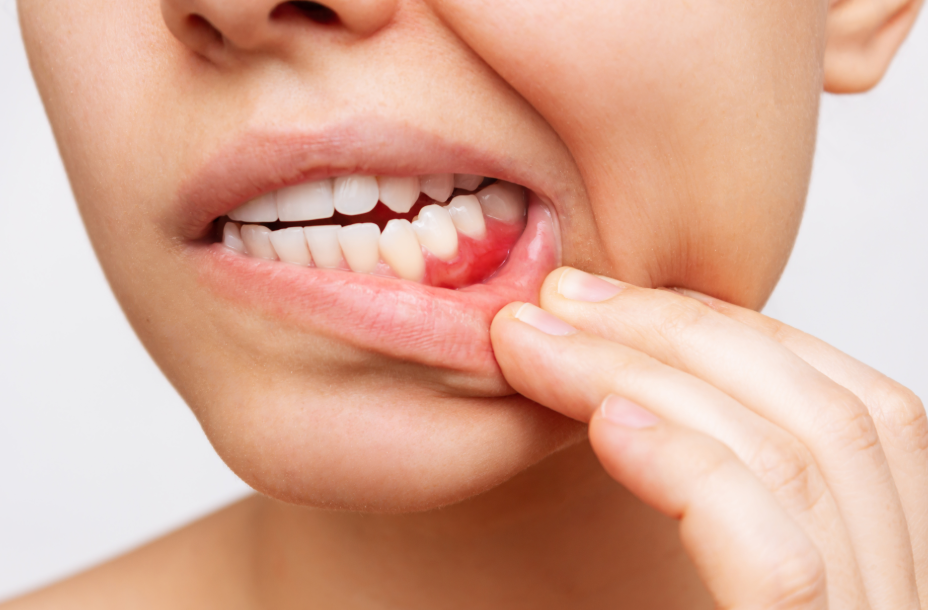
When gum disease becomes advanced, it can feel overwhelming and even discouraging. Some patients begin to wonder whether removing affected teeth might solve the problem entirely. While tooth extraction can sometimes be part of treatment, it’s important to understand that gum disease doesn’t simply disappear when teeth are removed.
Gum disease is an infection that affects the gums and supporting structures of the mouth—not just the teeth themselves. That means even after extractions, proper treatment is still needed to control the disease and protect oral health.
Understanding What Gum Disease Really Is
Gum disease, also known as periodontal disease, is a bacterial infection that affects the gums and bone that support your teeth. It begins as gingivitis, which is reversible with early care, but can progress into periodontitis if left untreated.
Once the infection advances, it can cause gum recession, bone loss, and eventually tooth mobility or loss. Because the bacteria live in the gum tissue and periodontal pockets, removing teeth alone does not eliminate the underlying infection.
This is why gum disease must be treated as a whole-mouth condition rather than a problem isolated to individual teeth.
Why Tooth Extraction Alone Is Not a Cure
In cases of severe periodontal disease, extractions may be recommended if a tooth cannot be saved. However, removing teeth does not remove the bacteria that cause gum disease.
The infection can still remain in the gums and surrounding tissues if not properly treated. Without follow-up periodontal care, the disease may continue to progress and potentially affect remaining teeth or future restorations such as implants or dentures.
This is why dental professionals often emphasize that extractions are a part of treatment—not a complete solution.
Comprehensive Treatment Is Still Necessary
Even when teeth are removed, patients typically require continued periodontal therapy to manage the infection and protect overall oral health.
Treatment may include:
- Deep cleanings (scaling and root planing)
- Antibiotic therapy in some cases
- Ongoing periodontal maintenance visits
- Improved home care routines
The goal is to reduce bacterial levels, control inflammation, and stabilize the health of the gums and supporting tissues. Addressing gum disease early and thoroughly can help prevent further complications down the road.
When Tooth Removal May Be Recommended
Tooth extraction may be considered when a tooth is severely damaged, has significant bone loss, or cannot be stabilized through periodontal treatment. In these cases, removing the tooth can help eliminate a source of infection and discomfort.
However, even in these situations, dentists and periodontists typically develop a broader treatment plan to manage the disease and protect the remaining oral structures.
Replacing missing teeth with implants or other restorations may also require that gum health be stabilized first to ensure long-term success.
Protecting Your Long-Term Oral Health
Gum disease is a progressive condition, but it is also manageable with the right care. Even in advanced cases, patients have options that can help preserve oral health and prevent further damage.
The key is not to view tooth extraction as a standalone cure, but rather as one possible step within a comprehensive periodontal treatment plan. With professional care and consistent maintenance, many patients are able to stabilize their condition and improve their quality of life.
If you are experiencing symptoms of advanced gum disease, seeking timely evaluation is the best way to explore all available treatment options.
About the Practice
At St. Albans Dental, patients receive personalized care focused on preventing, managing, and treating periodontal disease at every stage. The practice offers comprehensive gum disease treatment options designed to help preserve natural teeth whenever possible while supporting long-term oral health. Our dental team is committed to providing clear guidance and compassionate care tailored to each patient’s needs.
Call us at (802) 524-4844 or schedule your appointment online.